Introduction
In the rapidly evolving landscape of e-commerce, artificial intelligence (AI) has emerged as a game-changer, revolutionizing the way businesses operate and enhancing the overall shopping experience. From personalized recommendations to predictive analytics, AI has found diverse applications in the e-commerce industry, fostering efficiency, customer satisfaction, and revenue growth.
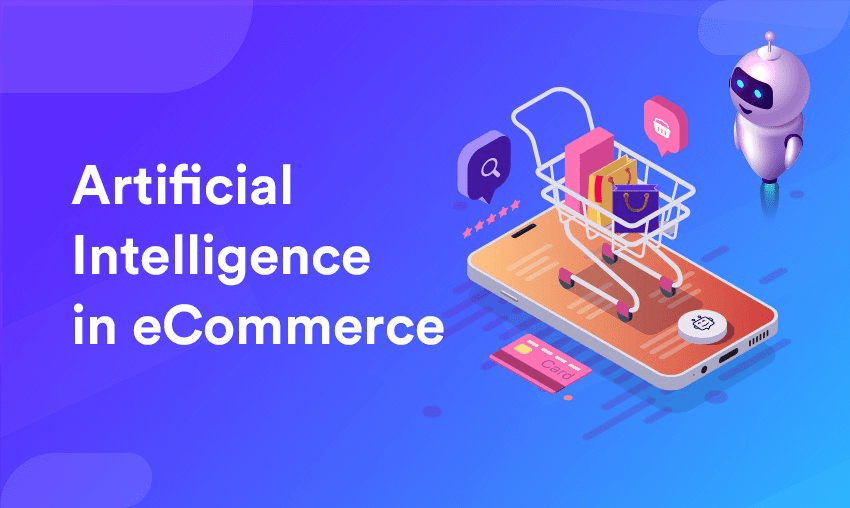
AI for E-Commerce: A Multifaceted Approach
1. Personalized Shopping Experience
One of the most notable applications of AI in e-commerce is the creation of personalized shopping experiences. AI algorithms analyze customer behavior, preferences, and purchase history to provide tailored product recommendations. This not only enhances customer satisfaction but also increases the likelihood of successful conversions.
2. Chatbots and Virtual Assistants
AI-powered chatbots and virtual assistants are transforming customer service in e-commerce. These intelligent systems are capable of handling customer queries, providing real-time support, and even assisting in the purchase process. This not only improves efficiency but also ensures round-the-clock availability, catering to global audiences.
3. Dynamic Pricing Optimization
AI algorithms enable e-commerce businesses to implement dynamic pricing strategies. By analyzing market trends, competitor pricing, and customer behavior, AI adjusts product prices in real-time, maximizing revenue and maintaining competitiveness. This dynamic approach proves invaluable in today’s fast-paced and competitive online market.
4. Fraud Detection and Prevention
E-commerce platforms are susceptible to various forms of fraudulent activities. AI systems, equipped with advanced analytics and machine learning, can detect unusual patterns and anomalies in transactions, helping prevent fraudulent activities and securing online transactions for both businesses and customers.
5. Supply Chain Management
Efficient supply chain management is crucial for the success of e-commerce businesses. AI aids in optimizing inventory levels, predicting demand, and streamlining logistics processes. This not only reduces operational costs but also ensures timely and accurate deliveries, enhancing customer satisfaction.
6. Visual Search and Image Recognition
AI-powered visual search and image recognition technologies have transformed the way customers shop online. Users can now search for products by uploading images or using their device’s camera. This feature simplifies the search process, making it more intuitive and user-friendly.
7. Recommendation Engines
AI-driven recommendation engines analyze vast amounts of data to suggest products that are most likely to appeal to individual customers. These engines enhance cross-selling and upselling opportunities, contributing to increased average order values and overall revenue.
Conclusion
As the e-commerce industry continues to thrive and expand, the integration of artificial intelligence becomes increasingly indispensable. The diverse applications of AI, from personalized shopping experiences to fraud detection, are reshaping the landscape of online retail. E-commerce businesses that harness the power of AI not only gain a competitive edge but also create a more seamless and satisfying experience for their customers. Embracing AI for e-commerce is not just a technological advancement; it is a strategic imperative for staying ahead in the dynamic world of online retail.

