In the ever-evolving landscape of manufacturing, the integration of artificial intelligence (AI) solutions has become imperative for driving innovation, efficiency, and competitiveness. AI technologies offer manufacturers the capabilities to optimize processes, enhance quality control, and unlock new possibilities across various stages of the manufacturing lifecycle. However, implementing AI solutions in manufacturing requires careful planning, strategic considerations, and technical expertise. This article serves as a comprehensive guide to implementing AI solution for manufacturing, exploring the key steps, challenges, and best practices involved in the process.
Introduction to Implementing AI Solution for Manufacturing
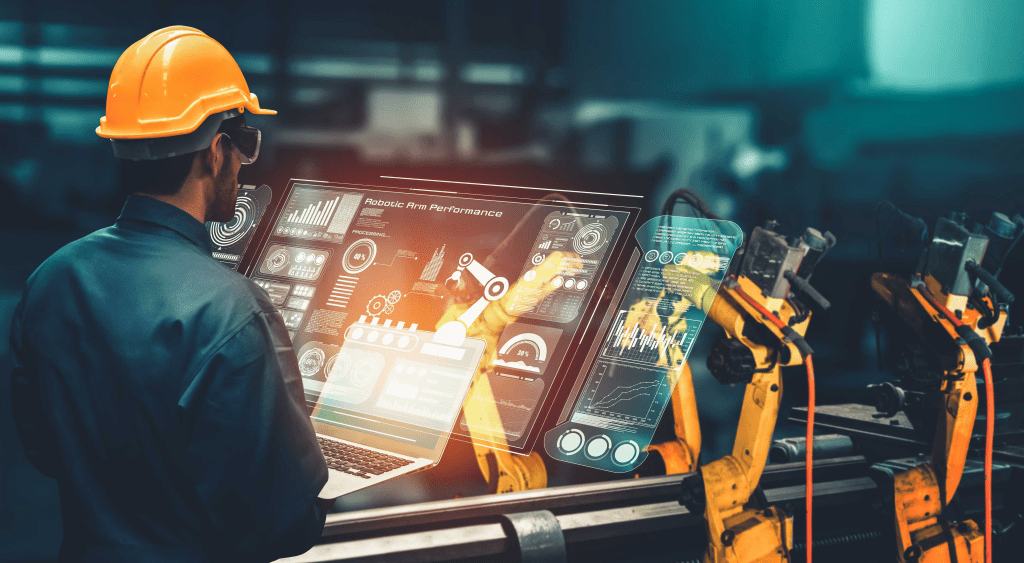
Implementing AI solutions in manufacturing involves deploying artificial intelligence technologies to automate processes, optimize workflows, and enhance decision-making capabilities. From predictive maintenance and quality control to production planning and supply chain management, AI solutions offer manufacturers a wide array of applications to improve operational efficiency, reduce costs, and drive innovation. However, implementing AI solution for manufacturing requires careful planning, strategic considerations, and technical expertise to ensure successful deployment and integration into existing systems and processes.
Understanding the Potential of AI in Manufacturing
Before implementing AI solution for manufacturing, it is essential to understand the potential benefits and applications of AI technologies in the industry. AI solutions offer manufacturers several key advantages, including:
- Process Optimization: AI algorithms can analyze vast amounts of data to identify inefficiencies, optimize processes, and improve overall productivity.
- Quality Control: AI-powered analytics can detect defects, anomalies, and deviations from quality standards, enabling manufacturers to maintain consistent product quality.
- Predictive Maintenance: AI algorithms can analyze equipment data to predict potential failures and schedule maintenance activities proactively, reducing downtime and maintenance costs.
- Supply Chain Management: AI solutions can optimize supply chain operations by analyzing demand forecasts, inventory levels, and supplier performance, enabling manufacturers to reduce lead times and minimize costs.
Key Steps in Implementing AI Solution for Manufacturing
Implementing AI solution for manufacturing involves several key steps, each of which plays a crucial role in the success of the project. These steps include:
1. Define Objectives and Use Cases
The first step in implementing AI solutions for manufacturing is to define clear objectives and identify relevant use cases. Manufacturers should determine specific goals and outcomes they wish to achieve with AI technologies, such as improving productivity, reducing costs, or enhancing quality control. Additionally, identifying use cases that align with organizational priorities and strategic objectives is essential for ensuring successful implementation and maximizing ROI.
2. Assess Data Availability and Quality
Data availability and quality are critical factors that influence the success of AI projects in manufacturing. Manufacturers should assess the availability and quality of data relevant to the selected use cases, including production data, equipment data, and quality control data. Additionally, data should be properly labeled, structured, and cleansed to ensure accuracy and reliability for training AI models.
3. Select AI Technologies and Tools
Once objectives and use cases have been defined, manufacturers should select appropriate AI technologies and tools that align with project requirements and organizational capabilities. This may involve choosing between different AI algorithms, frameworks, and platforms, as well as evaluating third-party solutions and vendors. Additionally, manufacturers should consider factors such as scalability, compatibility, and integration with existing systems and processes when selecting AI technologies and tools.
4. Develop and Train AI Models
Developing and training AI models is a critical step in implementing AI solutions for manufacturing. Manufacturers should collect and preprocess data, select appropriate features, and train AI models using supervised, unsupervised, or reinforcement learning techniques. Additionally, model performance should be evaluated and validated using appropriate metrics and validation procedures to ensure accuracy and reliability in real-world scenarios.
5. Deploy and Integrate AI Solutions
Once AI models have been developed and trained, manufacturers should deploy and integrate AI solutions into existing systems and processes. This may involve deploying AI models on-premises or in the cloud, integrating with manufacturing execution systems (MES), enterprise resource planning (ERP) systems, or other production systems, and ensuring seamless data flow and interoperability between AI solutions and other manufacturing systems.
6. Monitor and Evaluate Performance
Monitoring and evaluating the performance of AI solutions is essential for ensuring ongoing success and continuous improvement. Manufacturers should establish key performance indicators (KPIs) and metrics to measure the effectiveness and impact of AI solutions on operational efficiency, quality control, and other relevant outcomes. Additionally, regular monitoring and feedback mechanisms should be implemented to identify issues, make adjustments, and optimize AI solutions over time.
Challenges and Considerations in Implementing AI Solution for Manufacturing
While implementing AI solutions offers significant benefits for manufacturing, it also presents several challenges and considerations that must be addressed to ensure successful deployment and integration. Some of the key challenges and considerations include:
Data Security and Privacy
Data security and privacy are paramount concerns in manufacturing, particularly when deploying AI solutions that involve sensitive production data and intellectual property. Manufacturers should implement robust security measures, encryption techniques, and access controls to protect data confidentiality and integrity throughout the AI project lifecycle.
Skills and Talent
Implementing AI solutions requires specialized skills and expertise in data science, machine learning, and software engineering. Manufacturers may face challenges in recruiting and retaining talent with the necessary skills and experience to develop, deploy, and maintain AI solutions effectively. Training and upskilling existing employees or partnering with external vendors and consultants can help address skills shortages and gaps.
Change Management
Introducing AI technologies into manufacturing environments may require significant changes to existing processes, workflows, and organizational structures. Manufacturers should invest in change management initiatives, communication strategies, and employee training programs to foster adoption, address resistance to change, and ensure successful implementation of AI solutions.
Ethical and Social Implications
AI technologies raise ethical and social implications that must be carefully considered and addressed in manufacturing settings. Manufacturers should establish ethical guidelines, principles, and policies for the responsible use of AI technologies, including issues related to bias, fairness, transparency, and accountability. Additionally, manufacturers should engage with stakeholders, including employees, customers, and regulators, to ensure ethical and socially responsible deployment of AI solutions.
Best Practices for Implementing AI Solutions in Manufacturing
To maximize the success of AI projects in manufacturing, manufacturers should follow best practices and guidelines that promote effective deployment and integration of AI solutions. Some of the key best practices include:
- Start Small, Scale Quickly: Begin with pilot projects and proof-of-concepts to validate AI technologies and demonstrate value before scaling up to larger initiatives.
- Collaborate Across Departments: Foster collaboration and communication between cross-functional teams, including IT, operations, and engineering, to ensure alignment and coordination throughout the AI project lifecycle.
- Focus on User Experience: Design AI solutions with the end-user in mind, considering usability, accessibility, and user experience to promote adoption and acceptance among employees.
- Iterate and Improve Continuously: Embrace an iterative and agile approach to AI development, incorporating feedback from stakeholders, monitoring performance metrics, and making adjustments to optimize AI solutions over time.
- Stay Compliant and Ethical: Adhere to regulatory requirements, industry standards, and ethical guidelines for the responsible use of AI technologies in manufacturing, ensuring compliance and mitigating risks associated with data privacy, security, and ethical considerations.
Real-World Examples of AI Implementation in Manufacturing
Numerous manufacturers have successfully implemented AI solutions to address specific challenges and achieve tangible benefits in various domains of manufacturing. Some real-world examples of AI implementation in manufacturing include:
- Predictive Maintenance: Predictive maintenance solutions use AI algorithms to analyze equipment data and predict potential failures, enabling manufacturers to schedule maintenance activities proactively and minimize downtime.
- Quality Control: AI-powered quality control solutions use computer vision and machine learning techniques to detect defects, anomalies, and deviations from quality standards in manufacturing processes, ensuring consistent product quality and reducing scrap and rework.
- Production Planning: AI-driven production planning solutions optimize production schedules, resource allocation, and inventory levels by analyzing demand forecasts, production data, and supply chain information, enabling manufacturers to meet customer demands more effectively and efficiently.
- Supply Chain Optimization: AI-based supply chain optimization solutions optimize supply chain operations, including demand forecasting, inventory management, and logistics planning, by analyzing data from multiple sources and identifying opportunities to reduce costs, minimize lead times, and improve reliability.
Conclusion: Embracing AI for Manufacturing Excellence
In conclusion, implementing AI solutions offers manufacturers a transformative opportunity to optimize processes, enhance quality control, and unlock new possibilities in manufacturing. By following a systematic approach, addressing key challenges and considerations, and adopting best practices and guidelines, manufacturers can successfully deploy and integrate AI technologies into their operations to drive innovation, efficiency, and competitiveness. With careful planning, strategic investments, and a commitment to continuous improvement, manufacturers can harness the power of AI to achieve manufacturing excellence and thrive in the digital age.

