The hospitality industry is undergoing a significant transformation with the advent of enterprise generative AI solutions. These advanced technologies are reshaping the way hotels, resorts, and other hospitality businesses operate, enhancing guest experiences, optimizing operations, and driving innovation. This article explores the various aspects of enterprise generative AI solution for hospitality sector, discussing their benefits, applications, and future trends.
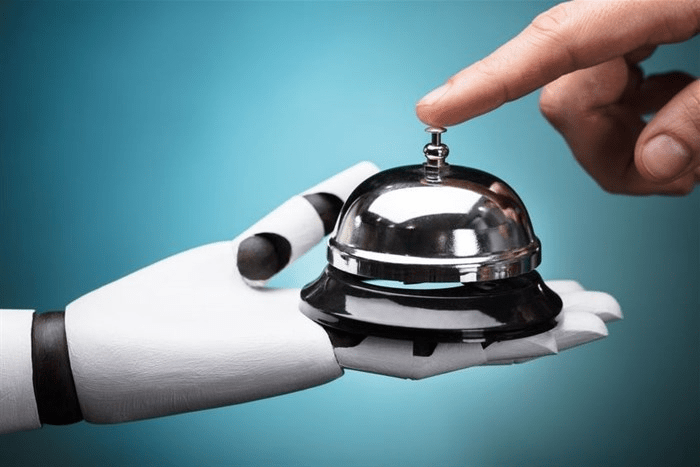
Introduction to Generative AI in Hospitality
Generative AI refers to artificial intelligence systems capable of generating new content, ideas, or solutions based on the data they have been trained on. In the hospitality industry, generative AI solutions can analyze vast amounts of data to provide personalized guest experiences, streamline operations, and offer innovative services. These solutions leverage machine learning, natural language processing, and other AI technologies to transform hospitality businesses.
Benefits of Generative AI in Hospitality
Enhanced Guest Experiences
Generative AI solution for hospitality can personalize guest interactions by analyzing data such as past behavior, preferences, and feedback. This leads to tailored recommendations, customized services, and improved guest satisfaction.
- Example: AI can suggest personalized activities, dining options, and room amenities based on a guest’s previous stays and preferences.
Operational Efficiency
AI can optimize various operational aspects of hospitality businesses, from housekeeping to inventory management, leading to cost savings and improved efficiency.
- Example: Predictive maintenance powered by AI can identify potential equipment failures before they occur, reducing downtime and maintenance costs.
Innovative Services
Generative AI enables the creation of new services and experiences that differentiate hospitality businesses from their competitors.
- Example: AI-powered virtual concierge services can provide guests with real-time assistance and personalized recommendations, enhancing their stay.
Data-Driven Decision Making
AI solutions can analyze large datasets to provide actionable insights, helping hospitality businesses make informed decisions and improve their strategies.
- Example: AI-driven analytics can help hotels optimize pricing strategies based on real-time market demand and competitor pricing.
Key Applications of Generative AI in Hospitality
Personalized Marketing and Guest Engagement
Generative AI can analyze guest data to create personalized marketing campaigns and engagement strategies that resonate with individual guests.
- Example: AI can generate personalized email campaigns and social media content, targeting potential guests with tailored offers and promotions.
Virtual Concierge and Customer Service
AI-powered virtual concierges can handle guest inquiries, reservations, and requests, providing a seamless and personalized service experience.
- Example: An AI-driven chatbot can assist guests with booking activities, making dining reservations, and providing local recommendations.
Predictive Maintenance and Facility Management
Generative AI can monitor and analyze data from various systems to predict maintenance needs and optimize facility management.
- Example: AI-powered sensors can monitor HVAC systems, predicting failures and scheduling maintenance proactively to avoid disruptions.
Revenue Management and Dynamic Pricing
AI can analyze market trends and customer behavior to optimize pricing and revenue management strategies.
- Example: AI-driven revenue management systems can adjust room rates dynamically based on real-time demand, historical data, and competitor pricing.
Housekeeping and Inventory Management
AI-driven automation can streamline housekeeping and inventory management processes, improving efficiency and ensuring high standards.
- Example: AI-powered robots can handle routine housekeeping tasks, while AI algorithms optimize inventory levels based on predicted demand.
Guest Feedback and Sentiment Analysis
Generative AI can analyze guest feedback and sentiments to identify areas for improvement and enhance service quality.
- Example: AI-driven sentiment analysis tools can process guest reviews and social media comments, providing actionable insights for hotel management.
Case Studies of Generative AI in Hospitality
Marriott International
Marriott International has implemented generative AI across its properties to enhance guest experiences and optimize operations.
- Use Case: Marriott uses AI to analyze guest preferences and personalize recommendations for activities and dining. AI-driven chatbots handle guest inquiries and reservations, improving response times and service quality.
Hilton Hotels & Resorts
Hilton has integrated AI to streamline operations and enhance guest satisfaction.
- Use Case: Hilton’s AI-powered concierge, “Connie,” provides personalized recommendations and assistance. AI-driven systems also manage energy usage and predictive maintenance.
Wynn Las Vegas
Wynn Las Vegas leverages AI to enhance guest experiences and improve operational efficiency.
- Use Case: Wynn uses AI to personalize guest interactions and optimize housekeeping schedules. AI-driven systems manage energy usage and predictive maintenance, ensuring a comfortable environment for guests.
Future Trends in Generative AI for Hospitality
Advanced Personalization
The future of AI in hospitality lies in even more advanced personalization, where AI predicts guest needs with greater accuracy.
- Future Outlook: AI will continue to evolve, offering hyper-personalized experiences by analyzing a wider range of data points, including real-time behavior and preferences.
Integration with IoT
The Internet of Things (IoT) will play a significant role in the future of generative AI in hospitality, providing real-time data for optimizing operations and enhancing guest experiences.
- Future Outlook: AI-driven IoT devices will enable seamless automation and control of various aspects of the guest experience, from room settings to personalized services.
Expansion of Virtual Assistants
AI-powered virtual assistants will become more sophisticated, providing a wide range of services and support to guests.
- Future Outlook: Virtual assistants will handle more complex tasks, including check-in and check-out processes, reservations, and personalized recommendations, all through a seamless and intuitive interface.
AI-Driven Insights and Analytics
Generative AI will provide deeper insights and analytics, enabling hotels to make data-driven decisions and optimize their operations.
- Future Outlook: AI will analyze guest feedback, occupancy rates, and revenue performance in real-time, providing actionable insights for improving services and maximizing profitability.
Sustainable Practices
Generative AI will play a key role in promoting sustainability by optimizing energy usage and suggesting eco-friendly practices.
- Future Outlook: AI-driven energy management systems will adjust lighting and temperature settings based on occupancy and time of day, significantly reducing energy consumption.
Health and Safety Enhancements
AI can ensure that hotels meet the highest standards of cleanliness and safety, particularly in response to the COVID-19 pandemic.
- Future Outlook: AI-powered cleaning robots will disinfect high-touch areas, while AI monitors air quality and enforces social distancing measures, ensuring a safe environment for guests and staff.
Challenges in Implementing Generative AI in Hospitality
Data Privacy and Security
Ensuring the privacy and security of guest data is a critical challenge in implementing AI solutions.
- Solution: Hospitality businesses must implement robust data protection measures and comply with regulations such as GDPR to safeguard guest information.
Integration with Existing Systems
Integrating AI solutions with existing systems and processes can be complex and require significant investment.
- Solution: A phased approach to integration, starting with pilot projects and gradually scaling up, can help manage the complexity and cost of implementation.
Staff Training and Adaptation
Training staff to work with AI-driven systems and ensuring their buy-in is essential for successful implementation.
- Solution: Comprehensive training programs and clear communication about the benefits of AI can help staff adapt to new technologies.
Cost of Implementation
The initial cost of implementing generative AI solutions can be high, particularly for smaller hospitality businesses.
- Solution: Leveraging cloud-based AI solutions and exploring partnership opportunities can help manage costs and make AI more accessible.
Conclusion
The integration of enterprise generative AI platforms in the hospitality industry offers immense potential for enhancing guest experiences, optimizing operations, and driving innovation. As AI technology continues to evolve, its applications in hospitality will become even more diverse and impactful. By embracing these advancements, hospitality businesses can stay competitive, meet the evolving demands of guests, and create memorable experiences that drive loyalty and satisfaction. The future of hospitality lies in the seamless integration of AI-driven solutions, transforming the industry and setting new standards for excellence.

