The architectural profession stands at the precipice of a technological revolution, with artificial intelligence emerging as a transformative force reshaping design methodologies and workflows. Historically constrained by manual processes and computational limitations, architects now leverage advanced AI systems that can analyze vast datasets, generate design alternatives, and optimize building performance with unprecedented efficiency. This paradigm shift extends beyond mere automation, fundamentally altering how conceptualization, analysis, and documentation occur throughout the architectural project lifecycle. As these technologies mature, they enable practitioners to tackle increasingly complex challenges while maintaining design integrity and meeting rigorous performance standards.
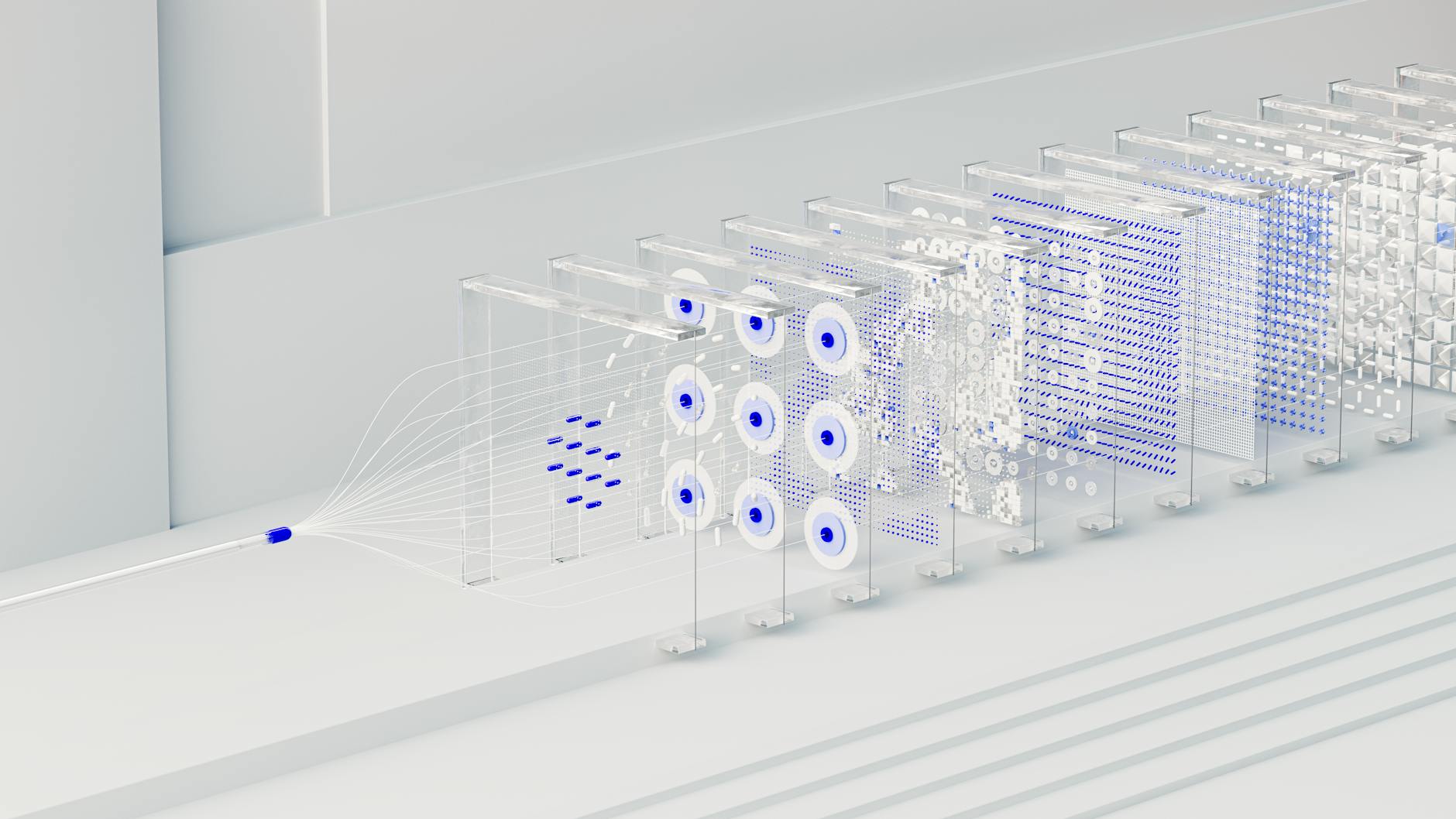
The integration of AI into architectural practice represents more than a simple technological upgrade—it constitutes a fundamental reimagining of the designer’s role and capabilities. Early applications focused primarily on rudimentary tasks such as drafting assistance and basic compliance checking, while contemporary systems engage in sophisticated design exploration, performance prediction, and even client interaction. This evolution has created a symbiotic relationship where human creativity remains paramount, augmented by computational power that extends the boundaries of what’s architecturally feasible. The result is a new methodology that balances intuitive design thinking with data-driven precision, yielding more responsive, efficient, and innovative built environments.
Foundational Technologies Powering Architectural AI
Several core technological frameworks constitute the backbone of AI applications within architectural practice. Machine learning algorithms, particularly deep neural networks, enable systems to recognize patterns in architectural precedents and building performance data, generating contextually appropriate design solutions based on historical success metrics. These systems continuously improve through exposure to new data sets, allowing them to refine their recommendations and adapt to evolving design standards and regulatory requirements. Natural language processing interfaces further democratize access to these powerful tools, enabling architects to communicate design parameters and constraints through conversational interactions rather than technical commands.
Generative design technologies represent another cornerstone of AI-driven architectural innovation, employing parametric systems that explore thousands of potential solutions to complex design problems within defined constraints. These systems evaluate multiple variables simultaneously—including spatial requirements, environmental factors, material properties, and budgetary limitations—producing optimized results that might elude traditional design approaches. Computational fluid dynamics, powered by AI-enhanced processing, enables accurate simulation of environmental conditions and building performance before physical construction, allowing for data-informed decisions about orientation, ventilation, and energy consumption. The convergence of these technologies creates a robust ecosystem where architects can leverage data, simulation, and optimization to elevate their design capabilities.
Practical Applications Across Design Stages
During the initial conceptual phase, AI systems analyze site conditions, contextual precedents, and programmatic requirements to generate design concepts that balance aesthetic vision with practical functionality. These tools process vast libraries of architectural styles, material applications, and spatial configurations to propose solutions aligned with the project’s specific parameters, significantly reducing the time typically spent on exploratory sketches and massing studies. By incorporating real-time data on zoning regulations, environmental constraints, and urban frameworks, these systems ensure that early concepts maintain viability throughout subsequent development stages. This capability to rapidly explore and evaluate multiple design directions empowers architects to present clients with more refined options earlier in the process, setting the stage for more productive collaboration.
As projects advance into the design development phase, AI technologies provide sophisticated analytical capabilities that optimize building performance while maintaining design intent. Environmental simulation engines predict thermal comfort, daylight distribution, and energy consumption with remarkable accuracy, allowing design teams to make informed decisions about building orientation, facade design, and system selection. Generative systems create multiple iterations of building envelopes and interior layouts that balance competing priorities such as spatial efficiency, structural requirements, and aesthetic goals. Performance-driven optimization tools further refine these solutions by analyzing material costs, constructability, and long-term maintenance implications, ensuring that design excellence aligns with practical project constraints.
The documentation and construction phases benefit from AI-powered automation that transforms traditional workflows and enhances project delivery accuracy. Automated code compliance checking ensures that design documents meet regulatory requirements before submission, reducing costly revisions during the approval process. AI-driven clash detection systems analyze complex building models to identify and resolve conflicts between architectural, structural, and mechanical systems before they become field issues. Construction planning and scheduling benefit from machine learning algorithms that optimize sequencing based on resource availability, lead times, and project constraints, enabling more efficient project execution and reducing delays. These applications collectively enhance project outcomes while mitigating risks inherent in complex architectural projects.
Implementation Strategies for Architectural Practices
Successful integration of AI technologies within architectural practices requires a strategic approach that aligns technological adoption with organizational capabilities and project requirements. The initial assessment should evaluate existing workflows, identify pain points that AI might address, and determine appropriate entry points for technology implementation without disrupting ongoing operations. This evaluation must consider factors such as staff technical proficiency, project types, and client expectations to ensure that selected solutions provide meaningful value rather than adding unnecessary complexity. Establishing clear metrics for success helps organizations measure the impact of AI integration on productivity, design quality, and project outcomes over time.
Workforce development constitutes a critical component of AI implementation, as successful adoption depends on architects’ ability to effectively leverage these tools within their design processes. Comprehensive training programs should focus not only on technical operation of AI systems but also on developing new competencies in data interpretation, computational design thinking, and AI-assisted decision making. Creating specialized roles such as computational designers or AI implementation specialists can help bridge the gap between traditional architectural practice and advanced technological capabilities. Fostering a culture of continuous learning ensures that the practice remains adaptable as AI technologies evolve and new applications emerge within the architectural profession.
Phased implementation approaches typically yield the most sustainable results for architectural firms integrating AI technologies. Starting with targeted applications that solve specific workflow challenges allows organizations to demonstrate value while building expertise and infrastructure for more advanced implementations. Pilot projects that showcase AI capabilities on smaller-scale engagements help refine workflows and address operational challenges before broader deployment. Establishing feedback mechanisms between technology users and implementation teams ensures that tools continue to evolve in alignment with practice needs. This iterative approach minimizes disruption while maximizing the strategic benefits of AI integration across the organization.
Quantifiable Benefits of AI Integration
The implementation of AI technologies within architectural practices delivers measurable improvements across multiple dimensions of project delivery and business performance. Design optimization capabilities consistently result in buildings that achieve 15-30% better energy performance compared to traditionally designed counterparts, translating into significant operational cost savings and reduced environmental impact. Enhanced predictive accuracy in construction planning and scheduling typically reduces project timelines by 10-20% while minimizing costly change orders and field rework through improved clash detection and coordination. These performance improvements not only enhance project outcomes but also strengthen the firm’s competitive position in an increasingly technology-driven marketplace.
Operational efficiencies achieved through AI integration manifest as substantial cost reductions and resource optimization across architectural practices. Automated documentation and compliance checking processes reduce design review time by approximately 40%, allowing teams to allocate more resources to high-value design activities rather than routine coordination. Generative design systems create viable alternatives at a fraction of the time required through traditional methods, enabling more thorough exploration of design possibilities within project constraints. Project management optimization through AI-driven resource allocation and scheduling improvements typically enhance team productivity by 25-35%, allowing firms to deliver more value without proportional increases in overhead or staffing levels.
Client relationships and project outcomes benefit significantly from AI-enhanced design processes that provide greater transparency, predictability, and innovation throughout the project lifecycle. Real-time simulation capabilities enable clients to visualize and understand design implications before significant resources are committed, facilitating more informed decision-making and reducing uncertainty. Design visualization powered by AI generates more accurate and compelling representations of finished projects, enhancing client understanding and buy-in. Post-occupancy analysis using AI systems continuously informs future design improvements, creating a feedback loop that enhances practice capabilities and client satisfaction over time. These benefits collectively contribute to stronger client relationships, improved project outcomes, and enhanced firm reputation.
Future Trajectories in AI-Driven Architecture
The next generation of AI technologies promises to further transform architectural practice through advanced generative systems capable of autonomous design exploration within increasingly complex constraint environments. Emerging neural architectures will enable systems to understand implicit design intent, suggesting innovative solutions that transcend conventional approaches while meeting explicit project requirements. These developments will extend beyond current capabilities by incorporating emotional and experiential dimensions into design generation, creating spaces that respond not only to functional needs but also to human psychological and cultural contexts. As these systems mature, they will fundamentally alter the designer’s role from creator to curator and director of generative processes, expanding rather than replacing human creativity.
Integration of AI with other emerging technologies such as immersive virtual environments, advanced fabrication techniques, and real-time environmental sensing will create comprehensive digital ecosystems that span conceptual design through facility management. These integrated systems will enable truly responsive architecture that adapts to changing conditions, usage patterns, and environmental factors throughout the building lifecycle. The convergence of these technologies will facilitate more seamless collaboration between architects, engineers, builders, and facility operators, breaking down traditional silos in the construction process. This holistic approach will enable more sustainable, efficient, and human-centered built environments that continuously optimize performance throughout their entire existence.
As AI becomes increasingly integral to architectural practice, ethical considerations and professional responsibilities will demand careful attention and ongoing dialogue within the profession. Questions surrounding intellectual property, authorship, and the appropriate balance between human and computational decision-making will require thoughtful frameworks to guide responsible implementation. The architectural community must develop standards and best practices that ensure AI systems augment rather than diminish the profession’s core values of human welfare, environmental stewardship, and cultural responsiveness. By proactively addressing these challenges, architects can harness AI’s transformative potential while maintaining the profession’s fundamental commitment to creating built environments that enhance human experience and societal well-being.
Read more at LeewayHertz
 Hike Headlines