In the dynamic and competitive landscape of retail, businesses are constantly seeking innovative solutions to enhance customer experiences, optimize operations, and drive growth. Generative Artificial Intelligence (AI) solutions have emerged as a powerful tool for retailers, offering unprecedented opportunities to revolutionize various aspects of their operations. From personalized marketing to product design and supply chain optimization, generative AI solutions have the potential to transform the retail industry in profound ways. In this article, we’ll explore a range of use cases where gen AI solution for retail is reshaping the future of retail.
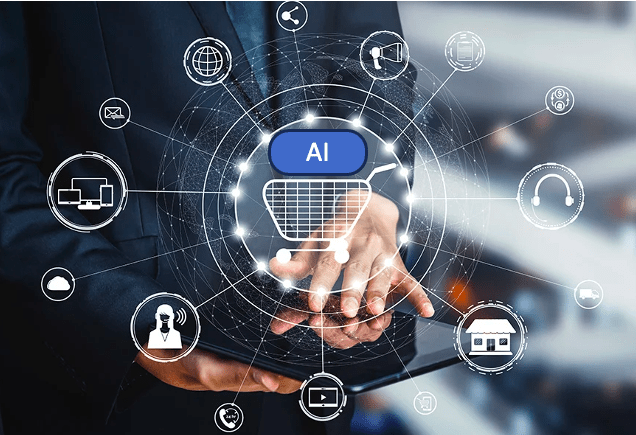
Introduction to Generative AI in Retail
Generative AI refers to technology that generates new content, such as images, text, and music, based on patterns learned from existing data. In the context of retail, gen AI solution for retail leverages advanced algorithms to analyze large datasets and generate insights, predictions, and personalized experiences for customers. By harnessing the power of generative AI, retailers can unlock new opportunities for growth, efficiency, and innovation across the entire value chain.
Use Cases of Gen AI Solution for Retail
1. Personalized Marketing and Customer Engagement
One of the most impactful use cases of gen AI solution for retail is personalized marketing and customer engagement. By analyzing customer data and behavior, AI algorithms can generate highly targeted and relevant marketing messages, promotions, and recommendations tailored to individual preferences. This enables retailers to deliver personalized experiences that resonate with customers, increase engagement, and drive sales.
2. Product Recommendation and Discovery
Gen AI solution for retail can enhance product recommendation and discovery processes by analyzing customer preferences, purchase history, and browsing behavior. By leveraging machine learning algorithms, retailers can generate personalized product recommendations that anticipate and meet the needs and preferences of individual customers. This not only improves the shopping experience but also increases conversion rates and average order values.
3. Virtual Try-On and Customization
AI-powered virtual try-on and customization solutions enable customers to visualize products, such as clothing, footwear, and accessories, in a virtual environment. By leveraging computer vision and augmented reality technologies, retailers can create immersive and interactive experiences that allow customers to try on and customize products in real-time. This not only enhances the shopping experience but also reduces the likelihood of returns and increases customer satisfaction.
4. Predictive Inventory Management
Gen AI solution for retail can optimize inventory management processes by analyzing historical sales data, market trends, and external factors such as weather patterns and economic indicators. By leveraging machine learning algorithms, retailers can forecast demand, optimize inventory levels, and minimize stockouts and overstocking. This enables retailers to improve inventory turnover, reduce carrying costs, and maximize profitability.
5. Dynamic Pricing Optimization
AI-powered dynamic pricing optimization solutions enable retailers to adjust prices in real-time based on factors such as demand, competition, and market conditions. By leveraging machine learning algorithms, retailers can analyze historical sales data, competitor pricing, and other relevant factors to optimize pricing strategies and maximize revenue and profitability. This enables retailers to remain competitive and responsive to changes in the market environment.
6. Automated Visual Merchandising
Gen AI solution for retail can automate the process of visual merchandising by analyzing product images, customer preferences, and market trends. By leveraging computer vision and machine learning algorithms, retailers can optimize product displays, layout designs, and visual elements to attract customers and drive sales. This enables retailers to create visually appealing and compelling shopping experiences that enhance brand perception and customer engagement.
7. Supply Chain Optimization
AI-powered supply chain optimization solutions enable retailers to streamline operations, reduce costs, and improve efficiency across the entire supply chain. By analyzing data from suppliers, distributors, and logistics partners, retailers can optimize inventory management, minimize lead times, and improve demand forecasting accuracy. This enables retailers to enhance supply chain agility and responsiveness, ensuring seamless product availability and delivery for customers.
8. Fraud Detection and Prevention
Gen AI solution for retail can play a crucial role in fraud detection and prevention by analyzing transaction data, customer behavior, and other relevant factors. By leveraging machine learning algorithms, retailers can identify suspicious activities and patterns indicative of fraudulent behavior. This enables retailers to detect and prevent fraud in real-time, reducing financial losses and protecting both customers and the integrity of the retail ecosystem.
Case Studies: Real-World Examples of Generative AI in Retail
1. Amazon
Amazon, the e-commerce giant, leverages generative AI solutions across various aspects of its business, from personalized product recommendations and dynamic pricing to supply chain optimization and fraud detection. The company’s recommendation engine analyzes customer data to provide personalized product suggestions, while its dynamic pricing algorithms adjust prices in real-time based on competitor pricing and demand signals.
2. Stitch Fix
Stitch Fix, an online personal styling service, uses generative AI to analyze customer preferences and recommend personalized clothing items. By leveraging machine learning algorithms, Stitch Fix delivers curated selections tailored to each individual’s unique style, size, and budget, enhancing the customer shopping experience and driving customer loyalty and retention.
Challenges and Considerations
While generative AI solutions offer tremendous potential for retailers, they also pose challenges and considerations that need to be addressed:
- Data Privacy and Security: Generative AI solutions rely on large volumes of customer data for training and analysis, raising concerns about data privacy and security. Retailers must ensure compliance with data protection regulations and implement robust security measures to safeguard customer information and prevent data breaches.
- Ethical Use of AI: Retailers must use generative AI solutions responsibly and ethically, taking into account issues such as algorithmic bias, fairness, and transparency. It is essential to mitigate biases and ensure that AI algorithms are used in a way that respects customer rights and values.
- Integration with Existing Systems: Integrating generative AI solutions with existing IT infrastructure and systems can be complex and challenging. Retailers must ensure seamless integration to maximize the value of AI investments and minimize disruption to operations.
Future Outlook
As generative AI technology continues to evolve, its impact on the retail industry is expected to grow exponentially. Retailers that embrace AI-powered solutions stand to gain a competitive edge by delivering personalized customer experiences, optimizing operations, and driving innovation across the value chain. By leveraging the transformative capabilities of generative AI, retailers can unlock new opportunities for growth and success in an increasingly competitive and dynamic market.
Conclusion
Generative AI solutions have the potential to transform the retail industry by enabling personalized marketing, product recommendation, virtual try-on, predictive inventory management, dynamic pricing optimization, automated visual merchandising, supply chain optimization, and fraud detection and prevention. By leveraging AI technologies and algorithms, retailers can enhance customer experiences, optimize operations, and drive growth and innovation. As we look to the future, the possibilities of generative AI in retail are limitless, promising to reshape the way we shop and interact with brands.
 Hike Headlines