In the fast-paced world of hospitality, operational efficiency is crucial for delivering exceptional guest experiences, optimizing resources, and driving business growth. Generative artificial intelligence (AI) platforms have emerged as powerful tools for streamlining workflows and automating routine tasks, enabling hotels, resorts, and other hospitality establishments to operate more efficiently and effectively. In this comprehensive article, we delve into the various ways in which gen AI platform for hospitality can optimize workflows in the hospitality industry, enhancing productivity, minimizing errors, and maximizing operational efficiency.
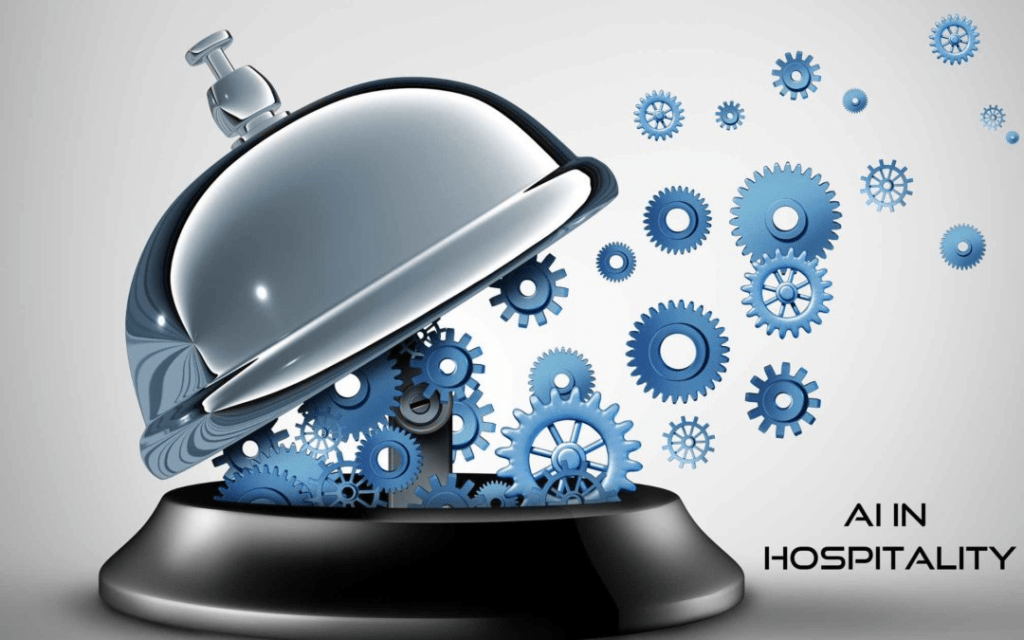
Introduction to Workflow Optimization in Hospitality
Workflow optimization involves the systematic review and improvement of operational processes to enhance efficiency, reduce costs, and improve outcomes. In the hospitality industry, where the seamless coordination of various tasks and departments is essential for delivering exceptional guest experiences, workflow optimization plays a critical role in ensuring smooth operations and maximizing resource utilization. Gen AI platform for hospitality offers innovative solutions that leverage data analytics, machine learning, and automation to optimize workflows, streamline processes, and drive operational excellence.
Streamlining Front Office Operations
Front office operations are the frontline of hospitality, encompassing tasks such as guest check-in/check-out, reservation management, and concierge services. Gen AI platform for hospitality optimizes front office workflows by automating routine tasks, reducing manual errors, and enhancing guest interactions. AI-powered chatbots and virtual assistants can handle guest inquiries, process reservations, and provide personalized recommendations, freeing up staff to focus on delivering exceptional service. Moreover, predictive analytics algorithms can forecast demand, optimize room allocations, and streamline check-in/check-out processes, ensuring smooth operations and minimizing wait times for guests.
Automating Housekeeping and Maintenance
Housekeeping and maintenance are essential functions in hospitality, ensuring that guest rooms and facilities are clean, safe, and well-maintained. Gen AI platform for hospitality automates housekeeping and maintenance workflows by optimizing schedules, prioritizing tasks, and detecting issues proactively. AI-driven predictive maintenance systems analyze equipment data to predict failures and schedule repairs before they occur, minimizing downtime and optimizing resource allocation. Moreover, AI-powered housekeeping management systems optimize room assignments, track cleaning progress, and manage inventory, ensuring that rooms are cleaned efficiently and to the highest standards.
Optimizing Inventory Management
Inventory management is critical for maintaining adequate stock levels of essential supplies, minimizing waste, and controlling costs. Gen AI platform for hospitality optimizes inventory management workflows by analyzing demand patterns, forecasting consumption, and automating replenishment processes. AI algorithms can predict demand fluctuations, optimize ordering quantities, and identify opportunities for cost savings. Moreover, AI-powered inventory management systems can integrate with suppliers and vendors, streamlining procurement processes, and ensuring timely delivery of supplies. By optimizing inventory management, hotels can minimize stockouts, reduce excess inventory, and improve overall operational efficiency.
Enhancing Food and Beverage Operations
Food and beverage operations are central to the guest experience in hospitality, encompassing a wide range of tasks, from menu planning and procurement to food preparation and service. Gen AI platform for hospitality optimizes food and beverage workflows by analyzing customer preferences, predicting demand, and optimizing menu offerings. AI-driven recommendation engines can suggest personalized menu items based on guest profiles, dietary preferences, and past interactions, enhancing the dining experience and driving revenue. Moreover, AI-powered kitchen management systems can optimize ingredient usage, reduce waste, and streamline food preparation processes, ensuring that meals are prepared efficiently and to the highest standards.
Personalizing Guest Experiences
Personalization is key to delivering exceptional guest experiences in hospitality, allowing hotels to anticipate guest preferences and tailor services accordingly. Generative AI platforms optimize guest experience workflows by analyzing guest data, predicting preferences, and delivering personalized recommendations. AI algorithms can analyze guest booking histories, demographic information, and online interactions to create detailed guest profiles and anticipate their needs. Whether it’s recommending room amenities, suggesting dining options, or providing local recommendations, AI-powered personalization systems enhance guest satisfaction and foster long-term loyalty.
Improving Revenue Management
Revenue management is critical for maximizing profitability in hospitality, requiring hotels to optimize pricing strategies, forecast demand, and allocate resources effectively. Generative AI platforms optimize revenue management workflows by analyzing market trends, competitor pricing, and guest behavior. AI algorithms can predict demand fluctuations, optimize pricing tiers, and adjust room rates dynamically to maximize revenue while ensuring price competitiveness. Moreover, AI-powered revenue management systems can integrate with distribution channels, monitor booking patterns, and optimize inventory allocation, ensuring that rooms are priced appropriately to maximize revenue potential.
Ensuring Compliance and Safety
Compliance and safety are paramount in hospitality, requiring hotels to adhere to industry regulations, health and safety standards, and security protocols. Generative AI platforms optimize compliance and safety workflows by automating documentation, monitoring adherence to regulations, and detecting anomalies. AI-driven compliance management systems can track regulatory changes, ensure policy compliance, and generate audit reports, reducing the risk of non-compliance and penalties. Moreover, AI-powered security systems can analyze surveillance footage, detect suspicious behavior, and alert security personnel to potential threats, enhancing the safety and security of guests and staff.
Conclusion: Embracing the Power of Generative AI in Hospitality Workflow Optimization
In conclusion, generative AI platforms offer a wide range of benefits for optimizing workflows in the hospitality industry, from streamlining front office operations to enhancing food and beverage services. By leveraging data analytics, machine learning, and automation, generative AI platforms enable hotels to operate more efficiently, deliver exceptional guest experiences, and drive business growth. As the hospitality industry continues to evolve, the adoption of generative AI platforms will become increasingly essential for hotels seeking to stay ahead of the curve and thrive in a competitive marketplace. With the right strategies and investments in AI-driven technologies, hotels can unlock new opportunities for efficiency, innovation, and success in the dynamic landscape of hospitality workflow optimization.

