Introduction
In today’s rapidly evolving business landscape, Human Resources (HR) departments are embracing cutting-edge technologies to streamline operations, enhance employee engagement, and drive organizational success. One such transformative technology is Enterprise Generative AI platforms. This article delves into the key features that make these platforms indispensable tools for modern HR functions.
Understanding Enterprise Generative AI Platforms
Enterprise Generative AI platforms leverage advanced machine learning algorithms and natural language processing (NLP) to automate and optimize various HR processes. The generative AI platform for human resources is designed to handle large volumes of HR data efficiently, analyze patterns, and generate insights that empower HR professionals to make informed decisions swiftly.
Key Components of Enterprise Generative AI Platform for HR
To effectively support HR functions, Enterprise Generative AI platform for human resources typically include the following components:
- Natural Language Processing (NLP): Enables the platform to understand and process human language, facilitating communication with employees, analyzing text-based data such as resumes and surveys, and generating human-like responses.
- Machine Learning Models: Trained on vast datasets to recognize patterns, predict outcomes, and provide recommendations for recruitment, employee development, and workforce planning.
- Data Integration and Analysis: Capabilities to integrate and analyze diverse HR data sources (e.g., performance reviews, recruitment data, employee surveys) to derive actionable insights and optimize HR strategies.
Features of Enterprise Generative AI Platforms for HR
Enterprise Generative AI platform for human resources offers a range of features that revolutionize HR practices across various domains. Let’s explore these features in detail:
1. Automated Recruitment Processes
AI-driven platforms streamline recruitment processes by:
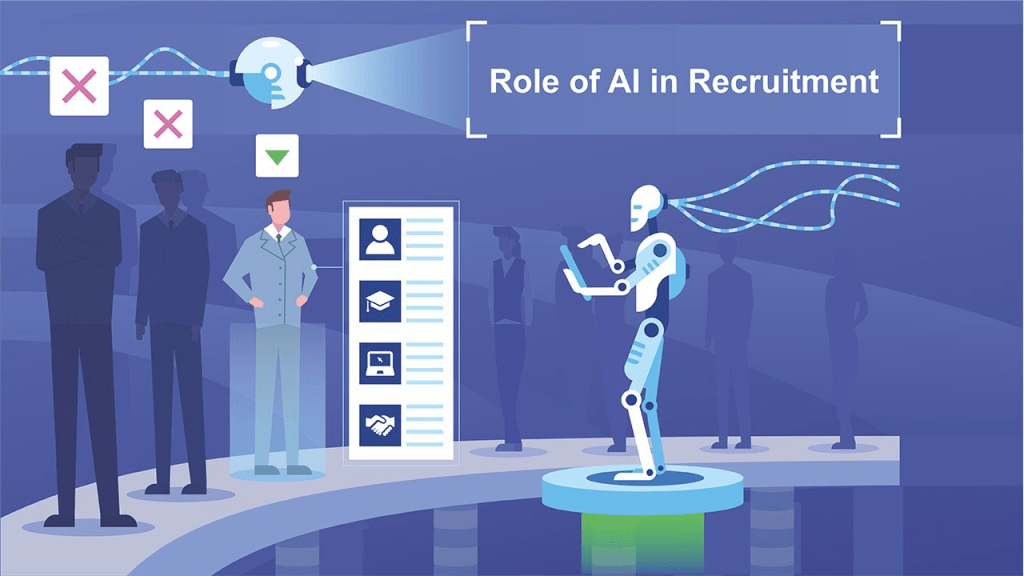
- Resume Screening: Automatically parsing and analyzing resumes to identify candidates who meet specific criteria based on skills, experience, and qualifications.
- Candidate Matching: Using algorithms to match candidates with job descriptions, considering not just skills but also cultural fit and potential for growth within the organization.
- Interview Scheduling: Automating interview scheduling based on availability of candidates and interviewers, optimizing the entire recruitment timeline.
2. Personalized Candidate and Employee Engagement
Generative AI enhances engagement by:
- Personalized Communication: Generating personalized emails, messages, and notifications for candidates and employees based on their preferences and historical interactions.
- Feedback Analysis: Analyzing feedback from candidates and employees to understand sentiment, identify issues, and improve engagement strategies.
3. Learning and Development
AI platforms support employee growth and development by:
- Skill Gap Analysis: Analyzing skills data to identify gaps and recommend personalized training and development programs.
- Content Generation: Creating customized learning materials, courses, and resources based on individual learning styles and career aspirations.
4. Predictive Analytics for HR Decision-Making
AI-powered analytics provide insights into:
- Employee Performance: Predicting performance trends, identifying high-potential employees, and suggesting performance improvement strategies.
- Turnover Prediction: Forecasting turnover risks and recommending retention strategies based on historical data and predictive models.
5. Employee Well-being and Engagement
AI platforms contribute to employee well-being by:
- Sentiment Analysis: Analyzing employee sentiment from surveys, social media, and communication channels to gauge morale and address concerns proactively.
- Virtual Assistants: Providing AI-powered virtual assistants for employees to answer queries, provide information, and offer support on HR policies and procedures.
6. Compliance and Risk Management
AI ensures compliance by:
- Data Privacy: Monitoring and ensuring compliance with data protection regulations (e.g., GDPR, CCPA) in handling sensitive HR data.
- Risk Assessment: Identifying and mitigating potential HR risks such as compliance violations or diversity and inclusion issues through data-driven insights.
Benefits of Using Enterprise Generative AI Platforms in HR
Implementing Enterprise Generative AI platforms yields several benefits for HR departments:
- Increased Efficiency: Automating repetitive tasks and processes, freeing up HR professionals to focus on strategic initiatives and employee engagement.
- Enhanced Decision-Making: Access to real-time analytics and predictive insights enables HR leaders to make informed decisions that drive business outcomes.
- Improved Candidate and Employee Experience: Personalized interactions and streamlined processes contribute to a positive candidate and employee experience, enhancing retention and satisfaction.
- Scalability: AI platforms can scale operations seamlessly to accommodate organizational growth and evolving HR needs.
Challenges and Considerations
Despite the numerous advantages, adopting Enterprise Generative AI platforms in HR comes with challenges that organizations must address:
- Data Privacy and Security: Safeguarding sensitive HR data and ensuring compliance with regulatory requirements.
- Ethical Use of AI: Mitigating biases in algorithms to ensure fair treatment of candidates and employees.
- Integration with Existing Systems: Ensuring seamless integration with existing HR systems and processes to maximize the effectiveness of AI solutions.
Future Trends in Enterprise Generative AI for HR
Looking ahead, the future of Enterprise Generative AI in HR is promising, with ongoing advancements such as:
- Advanced Predictive Models: Enhancing accuracy in predicting workforce trends, succession planning, and future skill requirements.
- Augmented Analytics: Integrating AI with analytics tools to provide deeper insights and recommendations for HR strategies.
- Continuous Learning: AI-powered systems that continuously learn from data and user interactions to improve performance and personalize experiences.
Conclusion
Enterprise Generative AI platforms are transforming HR operations by automating tasks, optimizing processes, and empowering HR professionals with actionable insights. As organizations embrace digital transformation, leveraging AI in HR not only enhances efficiency but also strengthens employee engagement and drives organizational success. By understanding the features, benefits, and considerations of Enterprise Generative AI platforms, HR leaders can strategically implement these technologies to build a more agile, data-driven, and competitive workforce.
In conclusion, the adoption of Enterprise Generative AI in HR represents a significant leap towards creating smarter, more efficient HR practices that cater to the evolving needs of modern organizations.
 Hike Headlines