The manufacturing industry is on the brink of a technological revolution with the advent of generative AI. These advanced systems hold the promise of transforming production processes, enhancing product design, and driving unprecedented efficiency. Developing an enterprise generative AI platform for manufacturing is a complex but rewarding endeavor. This article will guide you through the essential steps, technologies, and best practices involved in creating such a platform.
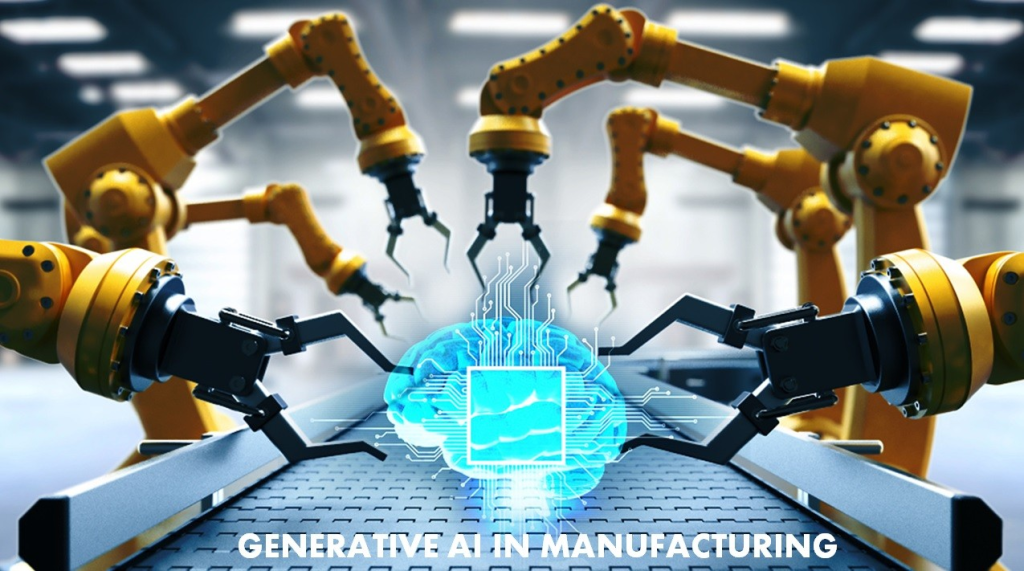
Understanding Generative AI in Manufacturing
What is Generative AI?
Generative AI refers to a subset of artificial intelligence that generates new data, designs, or solutions based on existing inputs. In manufacturing, this technology can optimize design processes, improve production efficiency, and enhance quality control through data-driven insights and innovative solutions.
Importance in Manufacturing
The integration of generative AI platform for manufacturing brings numerous benefits, including:
- Enhanced Innovation: Faster and more efficient product design and development.
- Cost Reduction: Optimized use of materials and resources.
- Increased Efficiency: Automated complex tasks and predictive maintenance.
- Improved Quality: Real-time defect detection and continuous process improvement.
Key Technologies and Techniques
Core Technologies
Machine Learning (ML)
Machine learning algorithms form the backbone of generative AI. These algorithms analyze historical data and learn patterns to generate new designs and optimize processes.
Deep Learning (DL)
Deep learning, a subset of ML, uses neural networks with multiple layers to analyze complex data. This is particularly useful for tasks like image recognition, which can be applied in quality control.
Natural Language Processing (NLP)
NLP allows AI systems to understand and generate human language, enabling more intuitive interactions with the platform and facilitating communication between different system components.
Computer Vision
Computer vision technologies enable AI to interpret and process visual information from the manufacturing environment, crucial for tasks like defect detection and real-time monitoring.
Techniques and Methods
Generative Design
Generative design uses AI to explore a vast number of design possibilities based on defined constraints and objectives, leading to innovative and optimized product designs.
Predictive Maintenance
AI-driven predictive maintenance analyzes data from sensors and equipment to predict potential failures and schedule maintenance, reducing downtime and extending equipment lifespan.
Digital Twins
Digital twins are virtual replicas of physical assets. They use real-time data to simulate and optimize manufacturing processes, enabling better decision-making and performance monitoring.
Steps to Develop an Enterprise Generative AI Platform for Manufacturing
Step 1: Define Objectives and Scope
Identify Business Goals
Start by identifying the specific business goals you aim to achieve with the generative AI platform. These could include improving product design, increasing production efficiency, or enhancing quality control.
Determine Scope
Define the scope of the project, including the processes and functions the platform will cover. This will help in setting realistic timelines and resource allocation.
Step 2: Assemble a Multidisciplinary Team
Expertise Required
- Data Scientists: To develop and train AI models.
- Software Engineers: To build and integrate the platform.
- Manufacturing Experts: To provide domain knowledge and ensure the AI solutions align with manufacturing needs.
- Project Managers: To oversee the project and ensure timely delivery.
Collaboration
Encourage collaboration between team members from different disciplines to ensure a comprehensive approach to platform development.
Step 3: Data Collection and Preparation
Gather Relevant Data
Collect data from various sources, including historical production data, sensor data, and quality control records. High-quality data is essential for training effective AI models.
Data Cleaning and Preprocessing
Ensure the data is clean, consistent, and formatted correctly. This involves removing duplicates, handling missing values, and normalizing data.
Step 4: Develop and Train AI Models
Choose Appropriate Algorithms
Select the appropriate machine learning and deep learning algorithms based on the specific tasks the platform will perform. For example, use neural networks for image recognition tasks and regression models for predictive maintenance.
Model Training
Train the AI models using the prepared data. This involves feeding the data into the algorithms, adjusting parameters, and evaluating performance to ensure accuracy and reliability.
Step 5: Build the Platform Architecture
Design System Architecture
Design the overall architecture of the platform, including data storage, processing units, and user interfaces. Ensure scalability and flexibility to accommodate future needs and expansions.
Integration with Existing Systems
Integrate the generative AI platform with existing manufacturing systems and software to ensure seamless operation and data flow.
Step 6: Implement Security and Compliance Measures
Data Security
Implement robust security measures to protect sensitive manufacturing data. This includes encryption, access controls, and regular security audits.
Compliance
Ensure the platform complies with industry standards and regulations, such as ISO standards for quality management and cybersecurity guidelines.
Step 7: Test and Validate the Platform
Conduct Testing
Perform rigorous testing of the platform to identify and fix any issues. This includes functional testing, performance testing, and user acceptance testing.
Validation
Validate the AI models and the overall platform against real-world scenarios to ensure they meet the defined business goals and objectives.
Step 8: Deployment and Monitoring
Deployment
Deploy the platform in the manufacturing environment. This involves installing the necessary hardware and software components and ensuring they operate correctly.
Continuous Monitoring
Implement continuous monitoring to track the platform’s performance, identify issues, and make necessary adjustments. This ensures the platform remains effective and efficient over time.
Best Practices for Developing Generative AI Solutions
Focus on High-Quality Data
The success of generative AI solutions heavily depends on the quality of the data used for training. Ensure you have access to comprehensive, high-quality datasets.
Prioritize User Experience
Design user-friendly interfaces and ensure the platform is intuitive for end-users. This will facilitate adoption and effective use of the platform.
Invest in Continuous Learning
Generative AI is an evolving field. Invest in continuous learning and development to keep your team updated with the latest advancements and best practices.
Foster a Culture of Innovation
Encourage a culture of innovation within your organization. Support experimentation and the exploration of new ideas to continuously improve the generative AI platform.
Conclusion
Developing an enterprise generative AI platform for manufacturing is a complex but transformative process. By leveraging advanced technologies and following a structured development approach, manufacturers can unlock significant benefits, including enhanced product design, improved production efficiency, and superior quality control. As the manufacturing industry continues to evolve, generative AI will play a crucial role in driving innovation and maintaining competitiveness.
By understanding the steps involved, assembling the right team, and adhering to best practices, organizations can successfully develop and implement generative AI solutions that revolutionize their manufacturing processes. The future of manufacturing lies in the seamless integration of AI technologies, and those who embrace this transformation will lead the way in the next industrial revolution.

